Understanding the Role of a Packaging Equipment Manufacturer
In today's fast-paced manufacturing landscape, the significance of a competent packaging equipment manufacturer cannot be overstated. These manufacturers play a pivotal role in ensuring that production lines operate efficiently and effectively, providing the necessary equipment that meets the diverse needs of various industries. This article delves into the essential functions of packaging equipment manufacturers, the importance of packaging in production efficiency, and the key features that define effective packaging systems.
What Is a Packaging Equipment Manufacturer?
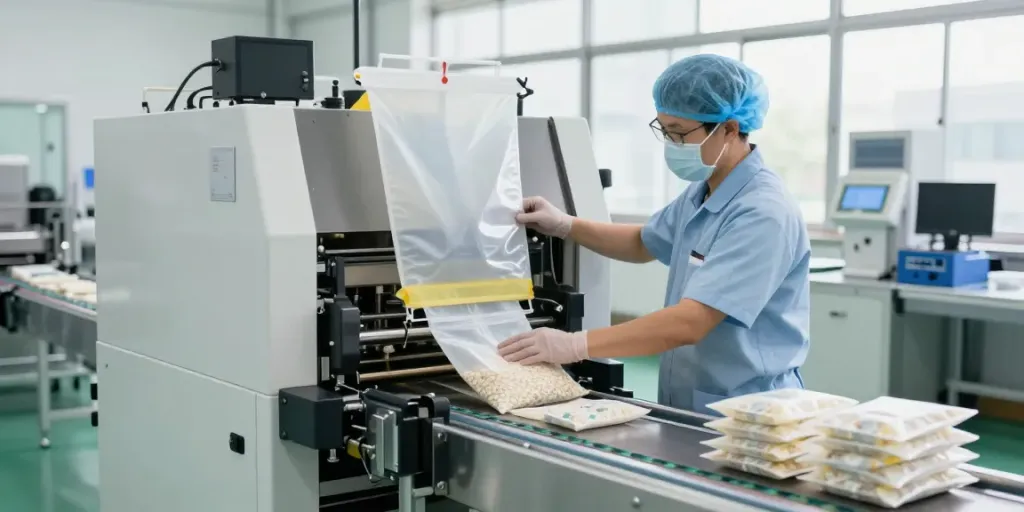
A packaging equipment manufacturer specializes in designing, assembling, and supplying machinery that helps companies package their products efficiently and securely. These manufacturers create a range of equipment, from bagging machines to filling systems and automated packaging lines, tailored to meet specific industry requirements. Their role extends beyond merely producing machines; they also provide essential support including installation, maintenance, and updates to ensure optimal equipment performance over time.
Importance of Packaging in Production Efficiency
Effective packaging is a crucial component of production efficiency. It not only protects products during transit but also influences inventory management and shelf presentation. A well-packaged product enhances brand visibility and customer appeal, ultimately leading to increased sales. Moreover, efficient packaging operations reduce waste and ensure compliance with industry standards, thereby boosting overall productivity. As industries evolve, the demand for innovative packaging solutions grows, prompting manufacturers to adapt and enhance their offerings continually.
Key Features of Effective Packaging Systems
Effective packaging systems are characterized by several key features:
- Flexibility: The ability to accommodate different products and packaging types.
- Automation: Automated features that streamline the packaging process and reduce labor costs.
- Scalability: Equipment that can grow with the business needs, allowing for increased production volumes.
- Durability: Sturdy construction that ensures long-lasting performance under various operating conditions.
- Integration: Compatibility with existing production lines and other manufacturing processes.
Types of Packaging Equipment Available
The packaging industry encompasses a wide array of machinery, each designed for specific functions and processes. Understanding the different types of packaging equipment available is essential for businesses looking to optimize their production lines.
Open-Mouth Bagging Machines Explained
Open-mouth bagging machines are specifically designed to package bulk materials into open-mouth bags. These machines are ideal for products such as powders, granules, and flakes. They offer high-speed packaging solutions, ensuring that products are filled accurately and efficiently. With customization options available, these machines can be tailored to suit a variety of bag sizes and materials, enhancing their versatility across different sectors.
Flexible Film Packaging Lines Overview
Flexible film packaging lines provide an innovative solution for companies looking to package products in flexible materials. This type of equipment is ideal for items that require a lightweight and protective covering, such as snacks, frozen foods, and pet food. The use of flexible films not only extends product shelf life but also reduces packaging costs, making it an attractive option for manufacturers aiming for sustainability without sacrificing quality.
Comparative Analysis: Different Packaging Technologies
In the realm of packaging, various technologies emerge as leaders in efficiency and effectiveness. Here, we compare some of the most prominent packaging technologies:
- Form, Fill, Seal (FFS): This technology automates the entire packaging process, creating bags from film, filling them, and sealing them in one continuous motion.
- Vertical Form Fill Seal (VFFS): Ideal for products that need to be packaged in a vertical orientation, often used for liquid and powder products.
- Horizontal Form Fill Seal (HFFS): Best for pre-made pouches or bags, allowing for a variety of product forms and sizes.
- Rotary Packaging Machines: Utilized for high-speed packaging, particularly in industries where volume and speed are critical.
Custom Solutions for Diverse Packaging Needs
Every business has unique packaging requirements, and customizing solutions can significantly enhance operational efficiency. Here’s how tailored packaging systems can benefit manufacturers.
Benefits of Customized Packaging Systems
Customized packaging systems offer several advantages:
- Enhanced Efficiency: Tailored machinery can optimize the specific processes of a business, accelerating packaging and reducing bottlenecks.
- Cost Savings: By designing systems that fit particular operational needs, businesses can reduce waste and minimize costs associated with over- or under-capacity.
- Branding Opportunities: Customized packages can prominently feature brand logos and designs, contributing to marketing efforts and customer loyalty.
Case Studies: Successful Custom Implementations
Several companies have successfully implemented customized packaging solutions to overcome specific challenges:
- Case Study 1: A leading snack manufacturer faced inconsistencies in product quality due to varied packaging sizes. After employing a customized bagging system, they reduced waste and improved product integrity, leading to a 15% increase in sales.
- Case Study 2: A chemical producer needed a solution to package hazardous materials safely. By integrating custom safety features into their bagging lines, they enhanced workplace safety and compliance with regulations.
Collaborating with Clients for Tailored Solutions
Collaboration between manufacturers and clients is pivotal in developing effective packaging solutions. By gaining insights into client needs and production capabilities, manufacturers can design tailored systems that yield the best possible results. This partnership approach improves client satisfaction and promotes ongoing support and innovation.
Boosting Productivity with Advanced Packaging Equipment
As the push for higher productivity continues in manufacturing, advanced packaging equipment offers solutions to meet escalating demands. Implementing strategies that leverage technology can significantly enhance production efficiency.
Strategies to Enhance Production Line Efficiency
To improve production line efficiency:
- Invest in Automation: Automation reduces manual labor and increases consistency, allowing for faster production rates.
- Regular Maintenance: Scheduled maintenance of equipment minimizes downtime and ensures machinery operates at peak performance.
- Employee Training: Well-trained operators can maximize equipment capabilities and quickly identify issues, increasing overall efficiency.
Reducing Operational Costs Through Technology
Investing in modern packaging technologies can lead to significant operational cost reductions. Automated systems that streamline processes, as well as energy-efficient machines that lower power consumption, contribute to a more sustainable overall operation.
Measuring Success: Key Performance Indicators
To evaluate the effectiveness of packaging systems, companies should track key performance indicators (KPIs):
- Production Speed: Measure the number of units produced in a specified period.
- Downtime: Analyze the frequency and duration of equipment failures.
- Cost per Package: Calculate the cost involved in producing each package to identify areas for savings.
- Quality Control: Monitor the rate of defects or reworks to ensure product standards are met.
Future Trends in Packaging Equipment Manufacturing
The packaging industry is evolving rapidly, with trends indicating significant changes in the coming years. Keeping an eye on these trends will ensure manufacturers remain competitive and innovative.
Innovations in Packaging Technology for 2026
Future innovations are likely to focus on enhanced automation, smart packaging technologies that communicate with consumers, and the integration of Artificial Intelligence (AI) for data-driven decision-making. These advancements promise to revolutionize how manufacturers approach packaging solutions.
Environmental Sustainability in Packaging Solutions
As consumers become increasingly environmentally conscious, packaging equipment manufacturers are prioritizing sustainable practices. This includes developing machinery that uses recyclable materials and reduces waste, contributing to a circular economy approach within the industry.
The Future of Automation in Packaging
Automation is set to dominate the packaging industry's landscape, with advancements in robotics and AI predictions providing unprecedented efficiency levels. Businesses that adopt these technologies early will likely gain a competitive edge.
What is a packaging equipment manufacturer?
In summary, a packaging equipment manufacturer is essential for companies seeking to enhance their production efficiency and overall product safety. They provide innovative solutions tailored to the unique needs of various industries.
Who are the top packaging equipment manufacturers?
While many manufacturers offer competitive solutions, some of the leading names in the industry include Durzerd, Viking Masek, and Massman Automation, each bringing unique technologies and offerings to the market.
How do I choose the right packaging equipment?
Choosing the right packaging equipment involves assessing your specific needs, including product type, production volume, and budget. Consulting with experts and analyzing available technologies can guide you towards the best solution.
What are the latest trends in packaging technology?
Current trends emphasize automation, sustainability, and smart packaging solutions that utilize technology to enhance consumer engagement and improve operational efficiency.
How can packaging equipment reduce costs?
By investing in efficient packaging technologies and processes, businesses can minimize waste, reduce labor costs, and improve production speeds, ultimately leading to lower operational costs and increased profitability.