Understanding Mini Split AC Systems
As homeowners seek efficient solutions for indoor climate control, the popularity of mini split AC systems has surged. These systems provide both heating and cooling, making them a versatile option for various living spaces. Unlike traditional HVAC systems, mini split AC units are designed to enhance energy efficiency while delivering consistent comfort. When exploring options, mini split ac systems can be particularly beneficial for those looking to maintain ideal temperatures without excessive energy consumption.
What is a Mini Split AC?
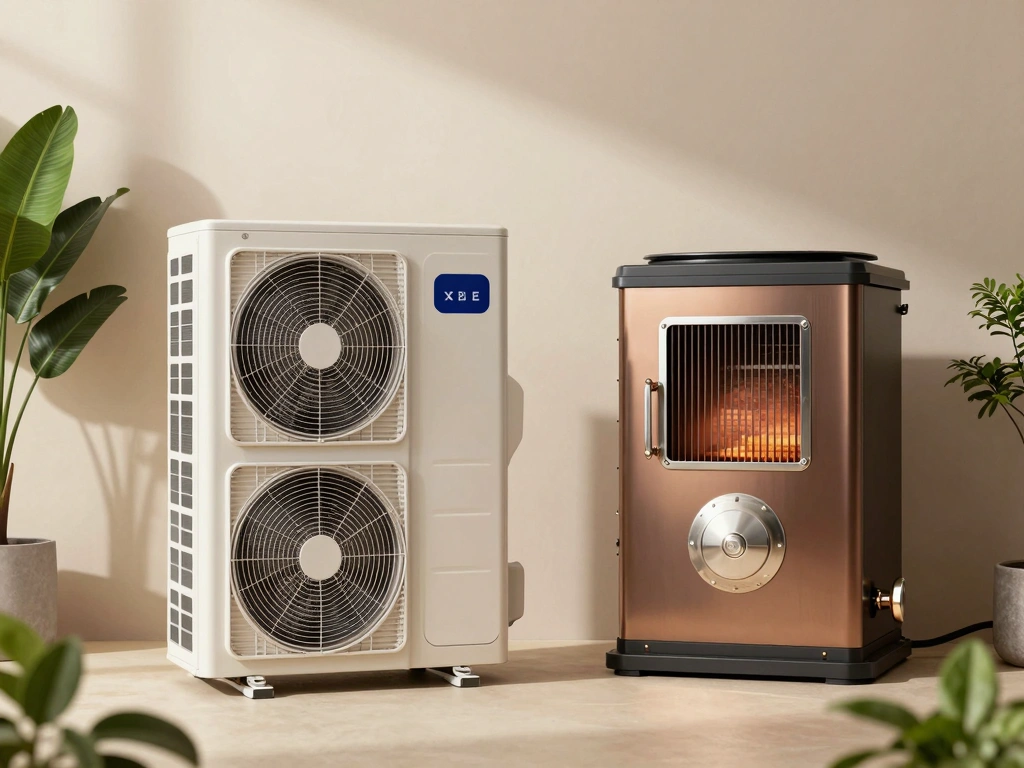
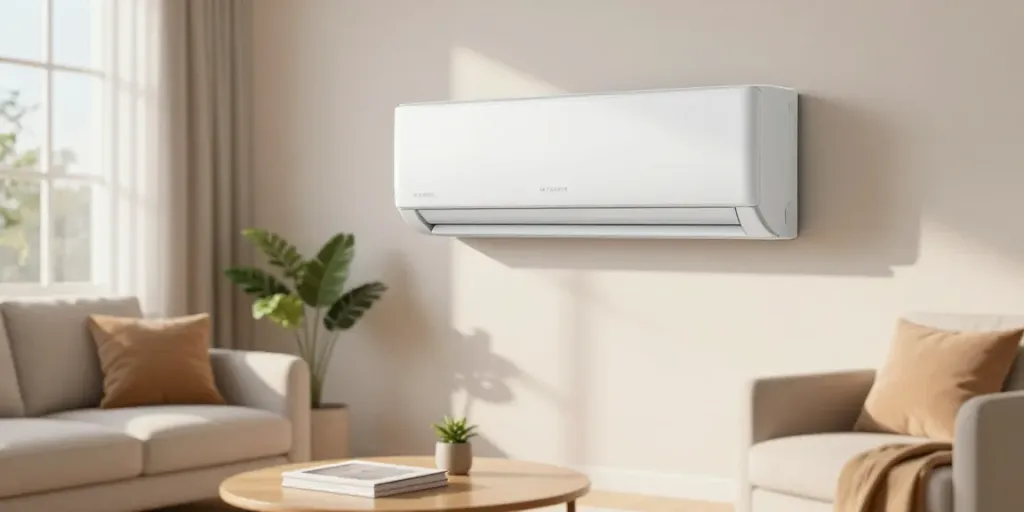
A mini split AC, commonly referred to as a ductless mini-split system, consists of two main components: an outdoor condenser and one or more indoor air handling units. This design eliminates the need for ductwork, which is one of the primary drawbacks of traditional HVAC systems. Each indoor unit can be controlled individually, providing customizable comfort levels in different areas of your home. This flexibility makes mini split systems particularly suitable for multi-room dwellings and properties without existing ductwork.
How Mini Split AC Systems Work
Mini split AC systems operate by transferring heat between the indoor and outdoor units via refrigerant. During cooling mode, the indoor unit absorbs heat from the room and transfers it outside, effectively lowering the indoor temperature. In heating mode, this process is reversed, allowing the system to draw heat from the outside air—even in colder temperatures—and distribute it indoors. This process is not only efficient but also helps maintain a consistent indoor climate.
Benefits Over Traditional HVAC Systems
- Energy Efficiency: Mini split AC units use substantially less energy compared to central air conditioning systems. Their ability to target specific spaces reduces wasted energy on unoccupied areas.
- Installation Flexibility: Without the need for ductwork, installation is typically quicker and less invasive, which can be a significant advantage for retrofitting homes.
- Individual Control: Each indoor unit can be independently controlled, allowing for tailored temperature settings in various rooms, which is particularly advantageous for families with different comfort preferences.
- Quiet Operation: Mini split systems are generally quieter than traditional air conditioning systems, making them an excellent choice for bedrooms and living areas.
Choosing the Right Mini Split AC for Your Home
Choosing the right mini split AC system for your home involves careful consideration of several factors to ensure optimal performance and efficiency. Understanding your specific needs will help you select the most suitable unit.
Factors to Consider When Buying a Mini Split AC
Key factors to consider include:
- Size of the Space: The cooling and heating capacity of mini split systems is measured in BTUs (British Thermal Units). Properly sizing your unit is crucial for efficiency and comfort.
- Climate Zone: Consider the climate in your area; some units are better suited for certain temperatures and conditions.
- Noise Levels: Review the decibel ratings for different models to find a system that meets your noise tolerance.
- Energy Efficiency Ratings: Look for units with high Seasonal Energy Efficiency Ratios (SEER) to ensure lower operating costs long-term.
Sizing Your Mini Split AC for Optimal Efficiency
Proper sizing of a mini split AC is vital to achieving maximum efficiency. If a system is too small, it will struggle to cool or heat your space, leading to increased energy consumption. Conversely, an oversized unit will cycle on and off frequently, wasting energy and reducing comfort. Calculating the square footage of the space you wish to climate control can guide your selection of the appropriate BTU capacity.
Top Brands and Models to Explore in 2026
As technology continues to advance, several brands have emerged as leaders in the mini split AC market:
- Mitsubishi Electric: Known for its reliability and energy efficiency, Mitsubishi offers a variety of models that cater to different needs.
- Daikin: Renowned for its innovation, Daikin systems often come equipped with advanced features for enhanced control and efficiency.
- LG: LG mini splits are popular for their sleek design and smart technology integrations, appealing to modern homeowners.
- Senville: This brand offers a range of affordable yet reliable options that deliver value without compromising performance.
Installation Process of Mini Split AC Units
Understanding the installation process for mini split AC units can help you decide whether to hire professionals or opt for DIY installation, which many homeowners find appealing.
Professional vs. DIY Installation
Professional installation is often recommended, especially for those unfamiliar with HVAC systems. Professionals can ensure that the unit is installed according to local building codes and manufacturer specifications. On the other hand, many modern mini split systems are designed for easy installation, allowing DIY enthusiasts to save on labor costs.
Common Installation Challenges
Common challenges during installation may include:
- Identifying the optimal location for indoor and outdoor units to maintain efficiency.
- Dealing with any wall or structural issues that may complicate mounting.
- Properly handling refrigerants and electrical connections.
Step-by-Step Guide to Installing a Mini Split AC
- Determine the Location: Choose the appropriate location for your indoor unit, ensuring it is centrally positioned for optimal airflow.
- Install the Mounting Bracket: Install the mounting bracket securely on the wall.
- Drill Holes for the Line Set: Drill a hole for the line set to connect the indoor and outdoor units.
- Connect the Line Set: Attach the refrigerant line, drainage line, and electrical wiring.
- Mount the Indoor Unit: Hang the indoor unit on the mounting bracket and secure it properly.
- Install the Outdoor Unit: Place the outdoor unit on a stable surface, ensuring it has enough clearance for airflow.
- Perform a System Check: Test the system for proper operation and check for refrigerant leaks.
Maintenance Tips for Longevity and Efficiency
Regular maintenance of your mini split AC system is essential to ensure its efficiency and longevity. Consistent upkeep can prevent larger issues and keep operational costs low.
Regular Maintenance Practices to Follow
- Clean or Replace Filters: Regularly check and clean or replace air filters to maintain airflow and efficiency.
- Inspect Drain Lines: Ensure drain lines are clear to prevent water buildup and potential leaks.
- Clean Outdoor Coils: Keep the outdoor unit free from debris and dirt to ensure optimal performance.
Common Issues and Troubleshooting Tips
Some common issues you might encounter include:
- Inadequate Cooling or Heating: Check thermostat settings, filter conditions, and refrigerant levels.
- Noisy Operation: Inspect for loose parts or debris causing disturbances in operation.
- Water Leaks: Investigate clogged drain lines or dirty filters that could lead to leaks.
When to Call a Professional for Repairs
If you encounter persistent issues that you cannot resolve, it may be time to call a professional. Complex problems, particularly those related to the refrigerant, should always be handled by licensed technicians to ensure safety and compliance with regulations.
Future Trends in Mini Split AC Technology
The HVAC industry is continuously evolving, bringing new technologies and innovations to mini split AC systems. Keeping abreast of these developments can help you make informed decisions about your home's climate control.
Innovations to Look Out for in 2026
Some expected advancements include:
- Smart Home Integration: More units will incorporate smart technology for remote control, scheduling, and energy management.
- Enhanced Energy Efficiency: Look for models that meet or exceed upcoming energy efficiency regulations.
- Advanced Air Filtration: New filtration technologies will improve indoor air quality and cater to allergy sufferers.
Energy Efficiency Standards and Regulation Changes
In 2026, it is anticipated that stricter energy efficiency standards will be enacted. This shift will encourage manufacturers to develop more sustainable, eco-friendly models that not only reduce energy consumption but also limit greenhouse gas emissions.
The Role of Smart Technology in Mini Split ACs
The integration of smart technology into mini split AC systems is transforming how users interact with their HVAC systems. Features such as Wi-Fi connectivity, app control, and voice command compatibility provide users with greater control and flexibility.
What Makes Mini Split AC Unique?
Mini split AC systems stand out due to their combination of efficiency, flexibility, and user control. Their ductless design allows for versatile installation options while minimizing energy waste, making them an eco-friendly choice.
Can a Mini Split AC Really Reduce Energy Costs?
Absolutely! By eliminating the inefficiencies associated with ducted systems and allowing for zone control, mini split AC systems can significantly lower energy expenses. Users can cool or heat only the rooms they occupy, reducing overall energy consumption.
How to Optimize Your Mini Split AC for Maximum Efficiency?
To ensure maximum efficiency:
- Regularly clean filters and coils.
- Set appropriate temperature levels to avoid unnecessary energy use.
- Schedule annual maintenance with a qualified technician.
What Maintenance is Required for Mini Split AC Systems?
Regular maintenance tasks for mini split systems include cleaning or replacing filters, checking refrigerant levels, and cleaning the outdoor unit. These steps help maintain efficiency and prolong the lifespan of the system.
Are Mini Split ACs Noisy?
Mini split AC systems are designed to operate quietly compared to traditional air conditioning units. However, the noise levels can vary depending on the model and installation. When shopping, review noise ratings and choose units designed for quieter operation if noise is a concern.
How Do You Choose the Right Size for a Mini Split AC?
To select the correct size, calculate the BTU requirements based on the room's square footage, ceiling height, insulation quality, and local climate. Consulting with a professional can provide a more accurate assessment.
Is DIY Installation of a Mini Split AC Feasible?
While many homeowners may attempt DIY installation, it requires specific skills and understanding of HVAC systems. If you’re comfortable with electrical and plumbing work, installation can be a rewarding project; however, hiring a professional ensures compliance with local codes and maximizes system efficiency.