Understanding the Different Types of Crayons
As a crayon manufacturer, it’s essential to understand the various types of crayons available in the market today. Crayons have evolved significantly since their inception, catering to both children and artists. This article will explore the different types of crayons, their uses, and the benefits they offer to artists and educators alike.
Wax Crayons: Affordability and Variety
Wax crayons are perhaps the most recognized type of crayon, beloved for their affordability and wide range of colors. These crayons, primarily composed of paraffin wax and pigments, provide a smooth application. They are an excellent option for young children due to their low cost and substantial availability. Schools and art programs can benefit from bulk purchasing due to their lower minimum order quantities (MOQ).
Additionally, wax crayons are versatile and can be blended to create unique colors. This attribute encourages creativity in children, allowing them to experiment with different techniques, such as layering and shading.
Plastic Crayons: Shapes and Functionality
Plastic crayons are characterized by their durability and customizable shapes. Made from non-toxic synthetic materials, they are designed to withstand rigorous use and are less likely to break than their wax counterparts. These crayons often come in unique shapes, enabling more interactive and fun art experiences for kids. They can also be manufactured in varied forms, including chunky formats for toddlers and intricate designs for older children.
The ability to create plastic crayons in myriad shapes facilitates educational play and artistic expression. For example, animal or character-shaped crayons can prompt storytelling and imaginative play while coloring.
Fabric Crayons: Washability and Versatility
Fabric crayons are a fantastic innovation, allowing artists to apply their creativity directly onto fabric. These crayons contain special pigments that adhere to fabric fibers, enabling drawings to be washed without fading. Parents and educators appreciate this feature, as it encourages children to engage in fabric-based crafts confidently.
Whether creating custom t-shirts, bags, or decorative pillows, fabric crayons can turn simple projects into cherished keepsakes. This medium not only fosters creativity but also enhances fine motor skills as children learn to draw and color within the lines.
The Importance of Quality in Crayon Manufacturing
The quality of crayons can significantly influence their usability and safety, especially for children. As a leading crayon manufacturer, ensuring the production of high-quality, safe crayons is vital for maintaining customer trust and satisfaction.
Safety Standards and Child-Friendly Products
Crayons must comply with strict safety standards to ensure they are non-toxic and safe for children. Manufacturers should adhere to guidelines set by organizations such as the Consumer Product Safety Commission (CPSC) in the United States and similar standards globally. Labels indicating that products are free from harmful substances such as lead and phthalates are essential.
Moreover, crayons designed specifically for young children should feature rounded tips and a sturdy build to avoid breakage and choking hazards. Regular safety testing and certifications can help assure parents and educators of the product's reliability.
Environmental Considerations in Crayon Production
With the increasing awareness of environmental concerns, many crayon manufacturers are seeking sustainable production practices. This includes using biodegradable materials, such as beeswax and vegetable-based pigments. Transitioning to eco-friendly materials not only reduces dependency on fossil fuels but also attracts a growing demographic of environmentally conscious consumers.
Reducing plastic waste in the production of crayons is another key consideration. Manufacturers are challenged to find innovative ways to minimize waste during production, reuse materials, and enhance recyclability.
Innovative Materials Used in Modern Crayons
Modern crayons are increasingly made from innovative materials, allowing manufacturers to expand their product offerings. For instance, beeswax crayons have surged in popularity due to their non-toxic, natural composition. They provide a creamy texture that many artists prefer, making them suitable for both children and professional use.
Furthermore, new technologies have enabled the development of crayons that blend pigments for unique textures and finishes, offering a wider array of artistic possibilities. This evolution not only enhances the user experience but also aligns with the current trends in eco-conscious artistry.
Encouraging Creativity Through Crayon Usage
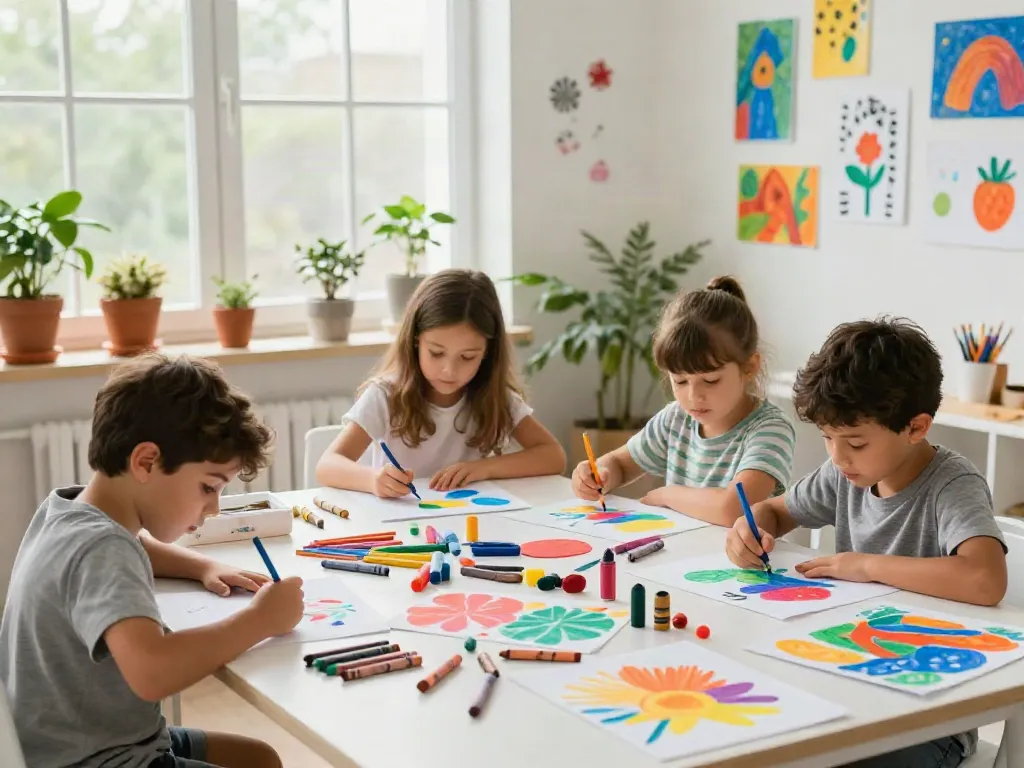
Crayons are more than just tools for coloring; they are instrumental in fostering early childhood creativity and expression. By integrating crayon use into educational settings, children can explore their imagination while developing critical skills.
Educational Benefits of Art for Children
Engaging in art activities promotes cognitive development in children. Studies show that art education improves problem-solving skills and encourages critical thinking. Crayons, in particular, help teach children about color theory and spatial awareness through hands-on experience.
Moreover, art has been linked to emotional benefits, allowing children to express their feelings and experiences in a healthy manner. As they develop their artistry with crayons, they build self-confidence and motivation, setting the stage for lifelong creative pursuits.
Creative Techniques for Using Different Crayon Types
Different types of crayons lend themselves to various creative techniques. For example, blending wax crayons can create beautiful gradients, while fabric crayons can be used to doodle or write messages on clothing. Educators can introduce techniques like rubbing, etching, and layering to increase the versatility of these tools in art education.
Additionally, incorporating cross-disciplinary projects that mix crayon art with other subjects, such as science or literature, can further enhance learning experiences. This not only makes learning more enjoyable but also provides a broader context for children to apply their skills.
Case Studies: Successful Art Programs Using Crayons
Several art programs have successfully integrated crayon use into their curricula. For example, "Crayon Art for Kids," a community initiative, involves children creating murals using a mix of traditional and fabric crayons, exploring themes of identity and community.
Another notable program, "Color Your World," focuses on integrating crayons into STEM education. Children use crayons to design and create models that illustrate scientific concepts, showcasing the versatile educational potential of this simple tool.
Market Trends for Crayon Manufacturers in 2026
The crayon market is ever-evolving, and manufacturers must stay attuned to emerging trends to remain competitive. The current landscape reflects a significant shift towards sustainability and innovative products.
Consumer Preferences: Eco-Friendly Crayons
As consumers become increasingly eco-conscious, the demand for eco-friendly crayons is on the rise. Products made from biodegradable materials and natural pigments are essential for meeting this preference.
Moreover, packaging sustainability has also become a key consideration, with many consumers opting for products that reduce plastic waste and utilize recyclable materials. Manufacturers who prioritize environmentally friendly practices are more likely to capture the interest of this conscientious demographic.
Emerging Technologies in Crayon Production
Technology continues to shape the manufacturing process of crayons. Advanced machinery allows for more precise control over color blending and production efficiency. This results in higher-quality products with less waste and a more streamlined production process.
Additionally, digital innovations, such as 3D printing, are beginning to enter the crayon market, offering customizable crayon shapes and sizes for unique artistic applications.
The Future of Art Supplies: Predictions for Crayon Manufacturers
Looking toward the future, crayon manufacturers must adapt to the changing landscape of art supplies. The integration of technology, sustainable practices, and educational collaboration will likely shape the products of tomorrow. Companies that embrace these innovations will not only attract a broader audience but also contribute to a vibrant artistic community.
Maximizing Engagement Through Effective Marketing
Effective marketing strategies are crucial for crayon manufacturers looking to thrive in today's competitive market. Building a strong brand presence and community engagement can foster customer loyalty and attract new buyers.
Targeting Parents: Strategies for Crayon Brands
Parents are key decision-makers when it comes to purchasing art supplies for their children. Crayon brands should focus on highlighting the educational and developmental benefits of their products in their marketing campaigns. Safety certifications, sustainability claims, and creative usage ideas can resonate well with this audience.
Promotional strategies can include direct outreach through social media, collaborations with educational institutions, and engagement through family-oriented events that showcase interactive art activities.
Leveraging Social Media for Artistic Challenges
Social media platforms present an excellent opportunity for crayon manufacturers to engage with customers creatively. Hosting artistic challenges or competitions can promote brand visibility while encouraging user-generated content featuring their products.
Brands can leverage platforms like Instagram and TikTok by showcasing tutorials, tips, and creative projects that utilize their crayons, driving both engagement and sales.
Building Community Around Creative Activities
Building a community around creative activities can significantly enhance brand loyalty. Crayon manufacturers can create forums, online workshops, and collaborative projects that allow customers to connect and share their artistic journeys.
By encouraging collaboration and interaction, companies facilitate a sense of belonging among their customers, fostering deeper connections with the brand.
What are the leading crayon manufacturers?
Some of the most recognized crayon manufacturers include Crayola, Prang, and Faber-Castell. These companies have established reputations for the quality and safety of their products, setting the standard for the industry.
How are crayons made today?
The process of making crayons involves several steps, including blending raw materials, molding, and cooling. Advances in technology have streamlined these processes, allowing for greater efficiency and quality control.
What makes eco-friendly crayons different?
Eco-friendly crayons are made from sustainable materials, often using natural wax, plant-based dyes, and recyclable packaging, reducing their environmental impact compared to traditional crayons.
Why are fabric crayons beneficial for children?
Fabric crayons encourage children to explore a new medium, allowing them to create art directly on fabric. This versatility enables creative projects that culminate in tangible, useful items, enhancing their artistic experience.
How can crayon manufacturers improve product safety?
Manufacturers can improve product safety by adhering to stringent safety standards, conducting regular testing, and using non-toxic materials. Transparent labeling and certifications can further assure consumers of the safety of their products.