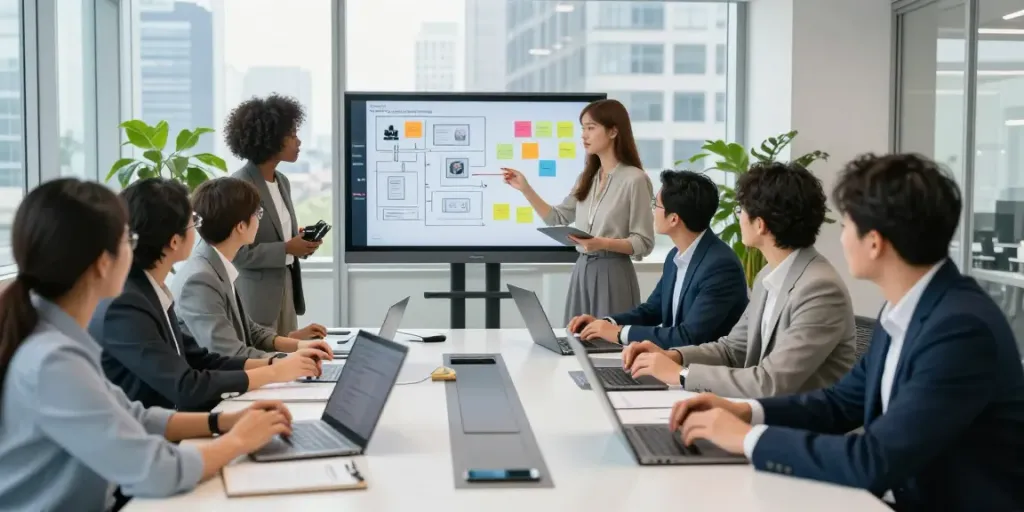
The Importance of Collaborative Work Environments
In today's fast-paced business world, the pressure on teams to work efficiently and creatively is at an all-time high. Companies are increasingly recognizing that fostering a collaborative work environment can serve as a catalyst for innovation and productivity. By encouraging teamwork, organizations can leverage diverse perspectives, drive engagement, and enhance problem-solving capabilities. When exploring options, why not try here provides comprehensive insights into the best practices for building effective collaboration frameworks.
Defining Collaboration in Today's Business Context
Collaboration in the modern business context refers to the way individuals or teams work together towards common goals. This collaborative effort often transcends departmental lines, bringing together employees from various backgrounds and specialties. In an environment characterized by remote work and digital communication, the definition of collaboration has evolved to embrace a fluid, multifaceted approach that integrates technology and interpersonal skills.
Impact of Collaboration on Team Performance
The impact of collaboration on team performance is profound. Research indicates that teams that collaborate effectively achieve better outcomes, including higher productivity, improved employee morale, and greater innovation. When employees feel they can rely on their colleagues and share ideas freely, they are more likely to take risks and pursue creative solutions. Moreover, collaborative teams often experience less friction and conflict, as individuals learn to appreciate and leverage each other’s strengths.
Identifying Key Elements of Effective Collaboration
Effective collaboration hinges on several key elements:
- Trust: A foundation of trust is crucial for open communication and idea sharing.
- Clear Communication: Establishing clear channels ensures that everyone is on the same page.
- Diversity: Bringing together people from varied backgrounds fosters creativity and innovative thought processes.
- Shared Goals: Aligning individual objectives with team goals helps to unify efforts.
Barriers to Effective Collaboration
Despite the benefits of collaboration, several barriers can hinder its effectiveness. Identifying these obstacles is crucial for organizations looking to improve their teamwork dynamics.
Common Challenges in Team Dynamics
Team dynamics can often pose significant challenges to collaboration. Issues such as power struggles, personality clashes, and differing work styles can create friction among team members. Addressing these dynamics requires strong leadership and proactive conflict resolution strategies to ensure that collaboration remains productive.
Overcoming Communication Barriers
Communication barriers, whether due to geographical differences in remote teams or cultural misunderstandings, can impede effective collaboration. Implementing regular check-ins, utilizing collaborative technology, and fostering an open communication culture can significantly alleviate these issues.
Misconceptions About Remote Collaboration
Many businesses still hold misconceptions about remote collaboration, often believing it to be less effective than traditional in-office teamwork. However, with the right tools and strategies, remote collaboration can be just as productive, if not more so. Ensuring that remote teams have access to collaborative tools and resources can help bridge the gap created by physical distance.
Building a Culture of Collaboration
To harness the full potential of collaboration, organizations must cultivate a culture that prioritizes teamwork and open communication. This cultural shift requires commitment and strategic implementation.
Strategies for Fostering Teamwork
Effective strategies for fostering teamwork include:
- Team-building Activities: Engaging team-building exercises can help break the ice and strengthen interpersonal relationships.
- Regular Feedback: Establishing a feedback loop encourages continuous improvement and open dialogue.
- Recognition and Reward: Recognizing collaborative efforts can motivate teams to work together more effectively.
Creating Safe Spaces for Idea Sharing
Creating an environment where employees feel safe to express their ideas without fear of judgment is vital. Safe spaces stimulate creativity and innovation, enabling team members to share unique insights that can lead to breakthroughs in problem-solving.
Encouraging Diversity in Idea Generation
Diversity in thought and background leads to richer idea generation. Companies should actively seek diverse talent and encourage a variety of perspectives during brainstorming sessions. This diversity not only enhances creativity but also prepares teams to approach problems from multiple angles.
Tools and Techniques for Enhanced Collaboration
The right tools and techniques can significantly enhance collaboration among teams. Investing in technology that facilitates communication and project management is essential for any organization aiming for success.
Digital Tools that Facilitate Collaboration
Several digital tools can enhance collaboration, including:
- Project Management Software: Platforms like Asana or Trello help teams track progress and manage tasks effectively.
- Communication Tools: Apps like Slack or Microsoft Teams provide channels for real-time communication.
- Document Sharing Solutions: Google Workspace or Dropbox allow for seamless sharing and editing of documents among team members.
Best Practices for Hybrid Team Meetings
As hybrid teams become more prevalent, establishing best practices for meetings is crucial. Here are some tips:
- Ensure all participants have equal opportunities to contribute, whether they are in-person or remote.
- Use video conferencing tools to maintain engagement and foster connection.
- Set clear agendas and objectives for each meeting to keep discussions focused and productive.
Real-World Examples of Successful Collaboration Tools
Look at organizations like Slack Technologies, which has built its success on promoting collaboration through innovative communication tools. Their platform enables teams worldwide to connect and collaborate efficiently. Similarly, companies like Atlassian leverage tools like Confluence to enhance teamwork and document sharing.
The Future of Workplace Collaboration in 2026
As we look to the future, it is essential to anticipate emerging trends and prepare for the challenges that lie ahead in workplace collaboration.
Emerging Trends in Collaborative Technologies
New technologies continue to reshape how teams collaborate. Virtual reality (VR) and augmented reality (AR) are expected to become integral tools for remote collaboration, allowing for immersive meetings and brainstorming sessions. Additionally, AI-driven collaboration tools will streamline workflows and enhance decision-making processes.
Predictions for Team Collaboration Dynamics
By 2026, the dynamics of team collaboration are likely to evolve towards more fluid structures. Organizations may adopt a more decentralized approach, enabling teams to self-organize and respond dynamically to project needs. This shift demands a reevaluation of traditional management practices, emphasizing flexibility and autonomy.
Preparing for Future Collaboration Challenges
As collaboration becomes more complex, organizations must prepare for challenges such as digital fatigue and the need for maintaining a work-life balance in remote work settings. Creating policies that promote mental health and well-being will be critical in sustaining long-term collaboration effectiveness.
How Will Remote Work Influence Collaboration?
The trend towards remote work is likely to persist, with many organizations adopting hybrid models. This shift necessitates a rethinking of collaboration strategies to ensure that all team members, irrespective of their location, can participate fully and equally in collaborative efforts.